


Blockchain Interoperability: Bridging Digital Assets Efficiently
In 2024 alone, $4.1 billion was lost to DeFi hacks, highlighting the urgent need for enhanced security and interoperability across blockchain networks. With the rapid evolution of the cryptocurrency landscape, the concept of Blockchain interoperability has emerged as a vital solution. This article aims to explore the significance of interoperability, its challenges, and how platforms like Wavexcoins can leverage it to create a robust and secure ecosystem.
Understanding Blockchain Interoperability
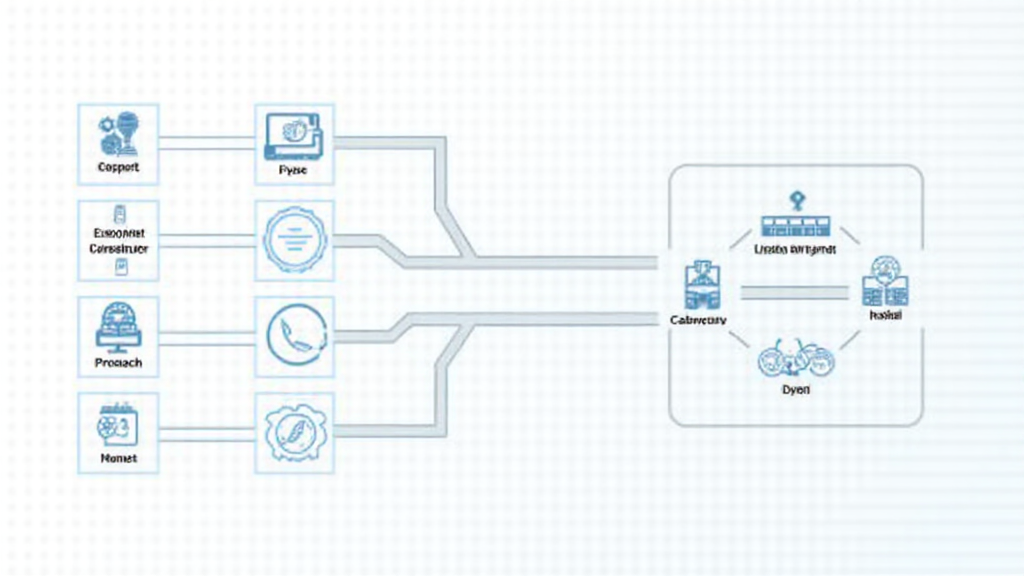
Blockchain interoperability refers to the ability of different blockchain networks to communicate and share information seamlessly. As various blockchain technologies evolve, ensuring they can work together is critical for enhancing user experience and security. So, what does this mean for platforms like Wavexcoins?
Interoperability can be likened to the bridges connecting different cities, allowing users to move freely and access diverse services. Without this connection, users are limited to the services available on a single platform. For example, if a user wants to transact on Ethereum but his assets are on Bitcoin, interoperability facilitates this cross-chain transaction, efficiently bridging the gap.
The Importance of Interoperability in Cryptocurrency
As the cryptocurrency market expands, the ability to transfer assets across different ecosystems becomes increasingly important. Here are several reasons why interoperability is essential:
- Increased Liquidity: By allowing assets to move freely between blockchains, overall market liquidity increases. For instance, users of Wavexcoins can utilize different tokens, leading to a healthier trading environment.
- Enhanced User Experience: Interoperability can greatly improve the user experience by reducing friction in transactions. Users can conduct trades and transfer assets without needing to convert or swap between platforms.
- Improved Security: Cross-chain transactions can minimize risks associated with a single blockchain exploitation. The ability for blockchains to interact can lead to more robust security measures.
- Innovation and Development: Increased interoperability encourages developers to innovate by creating decentralized applications (dApps) that can operate across multiple blockchains.
Challenges Faced in Achieving Interoperability
Despite its advantages, achieving true blockchain interoperability presents several challenges:
- Technical Complexity: Each blockchain operates on its own set of protocols and rules, making it challenging to create standardized communication protocols.
- Security Concerns: Ensuring secure interactions between platforms increases complexity. Each integration point may introduce vulnerabilities.
- Regulatory Issues: Different jurisdictions have varying regulations, which can complicate cross-chain operations.
- Lack of Incentives: Some blockchain projects may prioritize isolation over collaboration, reducing their incentive to develop interoperability solutions.
How Interoperability Works
Cross-Chain Communication Protocols
To achieve interoperability, several cross-chain communication protocols have been developed, including:
- Atomic Swaps: This method allows for decentralized exchange of cryptocurrencies directly between users without the need for intermediaries.
- Sidechains: A sidechain is an auxiliary blockchain that operates alongside a primary chain, allowing the transfer of assets without impacting the primary chain.
- Interoperability Protocols: Protocols like Polkadot and Cosmos provide frameworks for different blockchains to communicate and operate seamlessly together.
Successful Case Studies
Several projects in the cryptocurrency space have successfully implemented interoperability:
- Wanchain: Focuses on creating a new decentralized financial infrastructure by enabling cross-chain transactions.
- Ren Protocol: Allows for the transfer of various cryptocurrencies across different blockchains through wrapped assets.
- Cosmos: Uses its Inter-Blockchain Communication (IBC) protocol to facilitate messaging among blockchains, creating an interoperable ecosystem.
The Future of Blockchain Interoperability in Vietnam and Beyond
Vietnam has shown remarkable growth in blockchain adoption, with a user growth rate of approximately 35% since 2022. The demand for interoperable blockchain solutions is evident as users increasingly seek seamless interactions across different platforms.
In the future, as regulations become clearer and standards are developed, we can expect robust growth in the Vietnamese blockchain ecosystem, particularly concerning interoperability. This growth presents significant opportunities for companies like Wavexcoins to lead in providing solutions that prioritize interconnected blockchain networks.
Conclusion: The Path Forward for Blockchain Interoperability
As the market continues to evolve, the demand for Blockchain interoperability will only increase. Companies like Wavexcoins are well-placed to leverage these advances, promoting a more interconnected blockchain world that prioritizes user security and experience. Embracing interoperability is not just a technological advancement; it’s a necessity to thrive in the dynamic cryptocurrency landscape.
By addressing the challenges and taking strategic steps toward effective interoperability, we can envision a future where blockchain networks communicate effortlessly, just like different financial institutions. As we continue to watch the progression of blockchain technology, the potential for user empowerment through interoperability becomes increasingly evident.
Author: Dr. Alex Bitman, a blockchain expert with over 15 published papers and principal auditor of several renowned projects, including the SmartChain initiative.


