


Consensus Mechanisms in Crypto: A Deeper Look
With over $4.1 billion lost to DeFi hacks in 2024, understanding consensus mechanisms in crypto has never been more critical. These mechanisms are the backbone of blockchain operations, ensuring security and reliability. In this article, we will delve into what consensus mechanisms are, their different types, and how they shape the future of cryptocurrency.
The Importance of Consensus Mechanisms
Imagine a bank vault designed to keep your money safe. In the same way, consensus mechanisms safeguard digital assets by ensuring that transactions are verified and agreed upon across the blockchain network. They help achieve trust and integrity without a central authority.
As cryptocurrencies gain popularity, the demand for robust consensus mechanisms is also increasing. According to recent statistics, the number of Vietnamese crypto users has surged by 40% in 2023, indicating a flourishing market for blockchain technology.
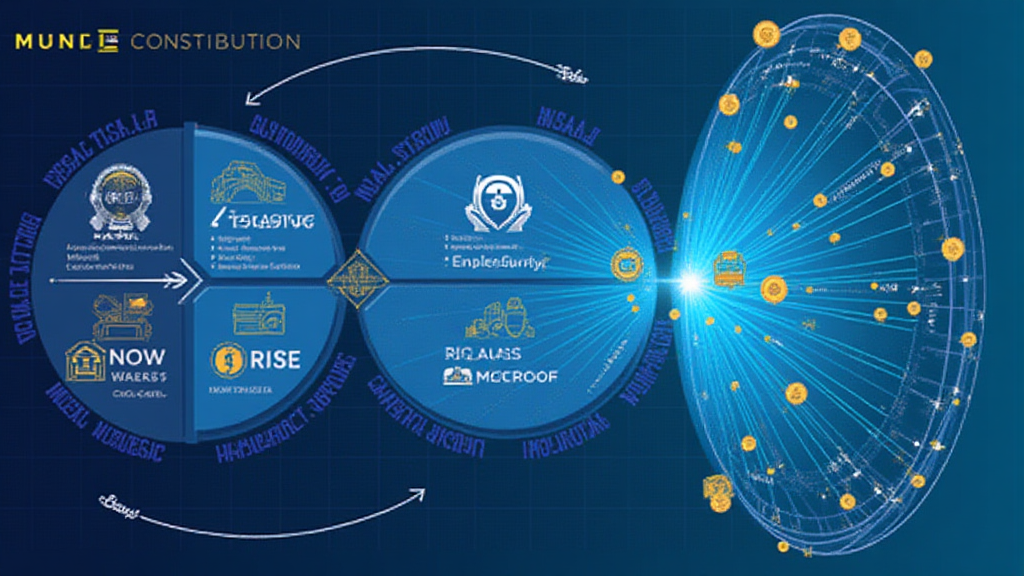
Types of Consensus Mechanisms
There are several key types of consensus mechanisms in the blockchain landscape, each with its unique features and advantages:
- Proof of Work (PoW): Used by Bitcoin, this mechanism requires miners to solve complex mathematical problems to validate transactions.
- Proof of Stake (PoS): Ethereum has transitioned to this mechanism, where validators are chosen based on the number of coins they hold.
- Delegated Proof of Stake (DPoS): This variation allows stakeholders to vote for delegates who manage the blockchain.
- Proof of Authority (PoA): In this model, a small number of authorities validate transactions, making it ideal for private blockchains.
- Byzantine Fault Tolerance (BFT): This is essential for delays in asynchronous networks and ensures that a network can reach consensus even when some nodes fail or act maliciously.
Consensus Mechanism Vulnerabilities
While consensus mechanisms are designed to secure the blockchain, they aren’t flawless. For example:
- 51% Attacks: If a single entity controls over 50% of the network’s mining power, it can manipulate the blockchain.
- Sybil Attacks: This occurs when a single entity creates multiple identities to gain a disproportionate influence over the network.
- Network Centralization: As more transactions occur, miners and validators can consolidate power, threatening the decentralized nature of blockchains.
Real-World Applications and Impact
Across various sectors, consensus mechanisms are shaping how organizations interact with blockchain technology:
- Financial Services: Institutions are adopting PoS for speed and efficiency in transactions.
- Supply Chain Management: PoA is preferred for its ability to verify identity and reduce fraud.
- Voting Systems: BFT is being explored for its potential in secure voting mechanisms.
In Vietnam, we can see burgeoning interest in these applications as businesses explore blockchain technology to enhance security and transparency. According to Chainalysis, by 2025, Vietnam could witness a 30% increase in blockchain adoption.
Looking Ahead: The Future of Consensus Mechanisms
As we look towards 2025, it is evident that the landscape of consensus mechanisms will continue to evolve. Innovations like sharding and layer 2 solutions will enhance scalability while maintaining security and decentralization. This is crucial for accommodating growing user bases in regions like Vietnam.
Potential long-tail keywords to consider as we forecast include “2025年最具潜力的山寨币” and “how to audit smart contracts”. By focusing on educational resources, platforms can bridge the knowledge gap for users entering the crypto space.
Conclusion
Understanding consensus mechanisms in crypto is essential for anyone looking to participate in blockchain technology, especially in a rapidly developing market like Vietnam. As new challenges and innovations arise, staying informed will help users make better decisions regarding their digital assets. Remember, it’s not just about the technology but how we use it responsibly.
For regular updates and insights into the crypto world, including tips on enhancing your blockchain security practices, visit wavexcoins.
Author: Dr. Alex Tran
A blockchain researcher with over 20 published papers and a lead auditor for multiple DeFi projects. Dr. Tran specializes in evaluating security frameworks for decentralized applications.


