


GameFi Future Trends 2026: What to Expect
Blockchain technology continues to reshape various sectors, and the gaming industry is no exception. With an estimated market growth of 20% annually projected through 2026, the intersection of gaming and decentralized finance (DeFi) promises unprecedented opportunities. As the GameFi sector evolves, key trends are emerging that will dictate its trajectory over the next few years.
According to a recent report by DappRadar, over $4 billion was generated in revenue from blockchain games in 2024 alone. With increasing user adoption, particularly in regions like Vietnam, where blockchain gaming users have surged by 50%, understanding GameFi’s future landscape is essential for investors and developers alike.
Understanding GameFi: The Fusion of Gaming and Finance
GameFi combines gaming experiences with financial incentives, allowing players to earn rewards through gameplay. This model of play-to-earn (P2E) has transformed how users engage with games, contributing to the growing interest in blockchain technology.
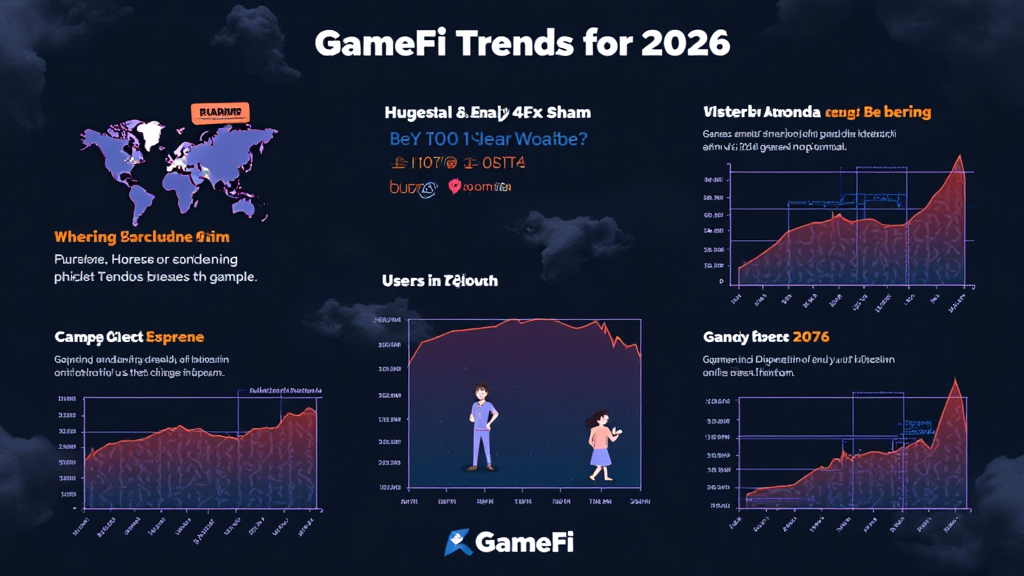
- P2E Mechanics: Players earn tokens through achievements, which can be traded or used within the game.
- Ownership: Players own in-game assets as non-fungible tokens (NFTs), increasing their value and interoperability.
- DeFi Integration: Players can stake their tokens, providing liquidity and earning interest or rewards.
Current Trends Influencing GameFi: 2026 Projections
As we look ahead to 2026, several trends are shaping the trajectory of GameFi:
1. Enhanced Interoperability Among Games
One significant trend is the push towards interoperability between different gaming platforms. Just like how players can use the same characters or items across various games, the future of GameFi will see cross-game functionalities where players can use their NFTs and tokens across multiple platforms.

This not only enhances user engagement but also establishes a vibrant economy driven by demand for unique NFTs. As blockchain protocols improve, this interoperability will become a reality.
2. Adoption of Advanced Gaming Technologies
With rapid advancements in Augmented Reality (AR) and Virtual Reality (VR), the gaming experience is bound to become more immersive. By 2026, we can expect to see a surge in games that integrate these technologies, providing players with more engaging—and lucrative—experiences.
- Improved User Experience: Seamless access to immersive environments via AR/VR will drive user adoption.
- Higher Revenue Models: Advertisements and brand partnerships within VR spaces can lead to new revenue streams for developers.
- Scarcity and Rarity: Blockchain ensures that in-game items remain scarce, enhancing their value.
3. Regulatory Influence on GameFi Growth
As GameFi continues to expand, regulatory scrutiny will increase. Countries are beginning to devise frameworks that govern the use of cryptocurrencies and NFTs within gaming. In Vietnam, where crypto regulations are evolving, developers must ensure compliance with local laws to protect their gaming ecosystems.
For example, frameworks may begin to impose standards for tiêu chuẩn an ninh blockchain, affecting how games manage users’ data and transactions.
4. Sustainability in GameFi
With great concern over environmental sustainability, GameFi projects that prioritize eco-friendly practices are likely to gain favor. The shift towards reducing energy consumption in blockchain systems will influence GameFi structures significantly.
- Eco-Friendly Protocols: Transitioning to Proof of Stake (PoS) and other less energy-intensive consensus mechanisms can drive this change.
- Carbon Credits: Some GameFi platforms may introduce models where players can earn carbon credits through gameplay, fostering both gaming engagement and sustainability.
Emerging Markets: Vietnam’s Role in the GameFi Future
Vietnam is rapidly becoming a key player in the GameFi arena, encouraged by a tech-savvy population and an increasing number of blockchain startups. With a reported 500,000 active blockchain gamers, the country’s potential for growth is immense. Data indicates that Vietnam’s blockchain market is projected to reach $1 billion by 2026.
- User Engagement: The youth demographic is particularly engaged, with increasing participation in play-to-earn games.
- Investment Activities: Local businesses are investing heavily in gaming and blockchain projects, enhancing the sector’s viability.
Investing in GameFi: Tips for 2026
As the GameFi landscape evolves, potential investors should keep these factors in mind:
- Research Thoroughly: Always conduct due diligence on projects, including their governance and financial sustainability.
- Diversity in Portfolio: Diversifying investments throughout the gaming sector may mitigate risk as trends fluctuate.
- Focus on Community: Projects with active communities boast higher chances of success thanks to better user retention and feedback.
Conclusion: Embracing the Future of GameFi in 2026
As we approach 2026, the GameFi sector is set to undergo remarkable transformations. From emerging technologies enhancing gameplay to the growing impact of regulations, the trajectory of blockchain gaming appears bright. The combination of innovation, financial incentives, and a passionate gaming community will fuel the expansion of GameFi.
With growing involvement from markets like Vietnam and the integration of sustainability into gaming practices, the future of GameFi looks promising. Those looking to capitalize on this growing trend should remain vigilant and informed.
As always, remember to consult with professionals regarding investment advice and stay updated with industry best practices. In this exciting space, knowledge truly is power.
Explore more about GameFi insights and trends at wavexcoins.


