



Understanding Hot Wallet Crypto Risks
As the cryptocurrency market continues to evolve, the importance of security becomes increasingly paramount. With an estimated $4.1 billion lost to DeFi hacks in 2024 alone, enthusiasts and investors alike need to understand the potential risks involved in using hot wallets. Hot wallets are convenient for quick transactions, but they also invite a range of vulnerabilities that can threaten your digital assets. This article serves as a comprehensive guide, delving into the various risks associated with hot wallets and how you can mitigate them for safer crypto storage.
What Are Hot Wallets?
Hot wallets are digital wallets that are connected to the internet, allowing users to send and receive cryptocurrencies with ease. They are often hosted on exchanges or available through mobile applications. While the convenience of hot wallets is undeniable, the linked internet access makes them more susceptible to attacks.
Convenience vs. Security
Here’s the catch: while hot wallets offer quick access to your crypto assets, they come with a significant trade-off. Their online nature exposes them to risks not typically associated with cold wallets—those kept offline. As such, understanding the nuances of hot wallets is critical for anyone involved in the crypto space.
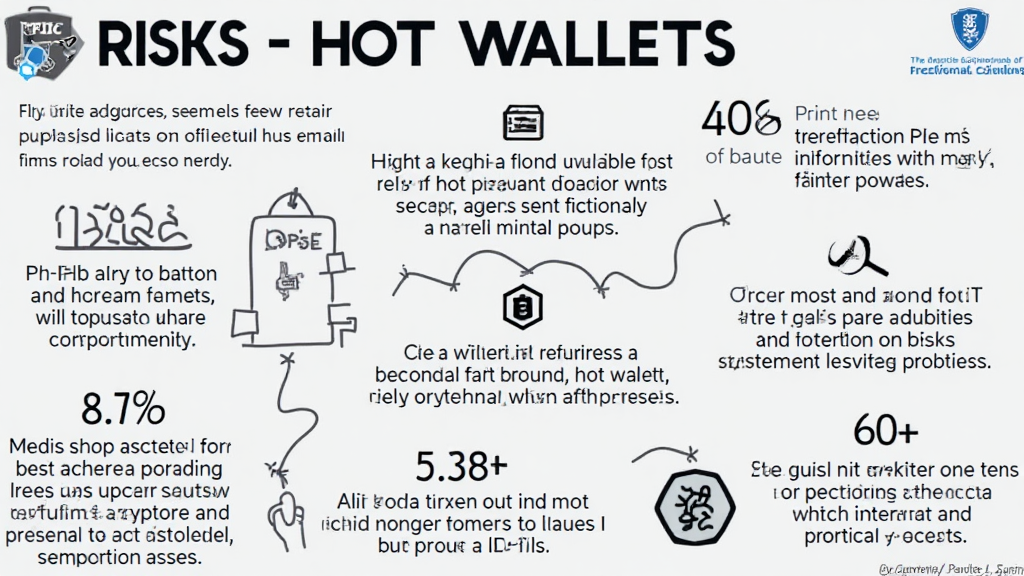
Key Risks Associated with Hot Wallets
- Cyber Attacks: Hot wallets are prime targets for hackers. An unsecured wallet can lead to unauthorized access, exposing your assets.
- Phishing Attacks: Users may inadvertently share their credentials through deceptive websites, giving attackers easy access to their funds.
- Exchange Vulnerabilities: When using an exchange-hosted wallet, your assets are subject to the security measures of the exchange, which may not always be robust.
- Malware Threats: Malware can infect devices and extract sensitive data, including wallet keys.
Assessing Cyber Attack Risks
According to recent studies, more than 60% of crypto losses result from cybercriminal activity. Hot wallets, being online, are inherently more vulnerable compared to cold storage solutions. Investing in strong antivirus software and using hardware wallets for large holdings can significantly mitigate these risks.
Strategies for Mitigating Risks
To protect your assets while using hot wallets, consider the following strategies:
- Use Two-Factor Authentication (2FA): Enable 2FA on all accounts associated with your hot wallet. This adds an additional security layer that can deter unauthorized access.
- Beware of Phishing: Always ensure that the website you are logging into is legitimate. Bookmark trusted platforms for direct access.
- Regular Backups: Frequently back up your wallet information and keep it in a secure location, separate from your digital assets.
- Limit Your Holdings: Avoid storing large sums in hot wallets. Instead, use cold wallets for long-term holding and transfer only what you need for transactions.
Exploring Local Trends in Vietnam
In Vietnam, the cryptocurrency market is experiencing significant growth. According to recent reports, the country’s user growth rate in crypto has soared by 35% over the past year, presenting unique risks and opportunities. As users adopt hot wallets for ease of access, understanding the local landscape and common security practices becomes crucial.
Vietnam’s Online Security Measures
The Vietnamese government has also been pushing towards enhancing online security for financial transactions. The incorporation of tiêu chuẩn an ninh blockchain (blockchain security standards) is essential for safe crypto dealings.
Best Practices for Hot Wallet Management
Managing a hot wallet requires diligence and informed choices. Here are best practices to consider:
- Regular Software Updates: Keep your wallet app updated to benefit from the latest security features.
- Educate Yourself: Stay informed about security updates and potential vulnerabilities within the crypto landscape.
- Use Reputable Wallet Providers: Research wallet providers and select those known for their security features and user trust.
Conclusion
In conclusion, while hot wallets present a convenient option for managing cryptocurrencies, they come with inherent risks that users must navigate carefully. The importance of understanding these risks cannot be understated, especially as the crypto landscape continues to evolve. As cyber threats grow, ensuring the security of your assets is crucial. Now that you have a thorough understanding of hot wallet crypto risks, you can make better decisions for your cryptocurrency investments.
For more information on how to ensure the safety of your digital assets, visit wavexcoins, a trusted resource in the cryptocurrency space.
Author: Dr. Alexei Novak, Blockchain Security Analyst, has published over 20 papers in the domain of cryptocurrency security, and has led audits for well-known projects.


