



Crypto Portfolio Diversification: Enhancing Your Digital Asset Strategy
With cryptocurrency’s meteoric rise, the allure of digital assets has captivated investors worldwide. However, with substantial market volatility, there’s a pressing need for effective crypto portfolio diversification. In 2023 alone, the crypto market’s market cap oscillated between $1 trillion to $3 trillion, highlighting the importance of not putting all your digital eggs in one basket. If you’re wondering how to best approach this multifaceted strategy, you’ve come to the right place.
Understanding Crypto Portfolio Diversification
Crypto portfolio diversification involves spreading investments across various digital assets to mitigate risk and enhance the potential for returns. Just as traditional investors diversify by incorporating stocks, bonds, and commodities into their portfolios, the same principle applies in the crypto world.
Why Diversification is Essential
- Volatility Management: Cryptos are known for their price swings. Allocating across different coins can help reduce overall volatility.
- Opportunity Exploitation: By diversifying, you can take advantage of multiple altcoins and their unique growth potentials.
- Risk Reduction: If one asset underperforms, others might offset those losses.
The principle of crypto portfolio diversification is akin to having a financial insurance policy. It’s not merely about holding a wide range of digital assets but understanding the role each plays in your overall investment strategy.
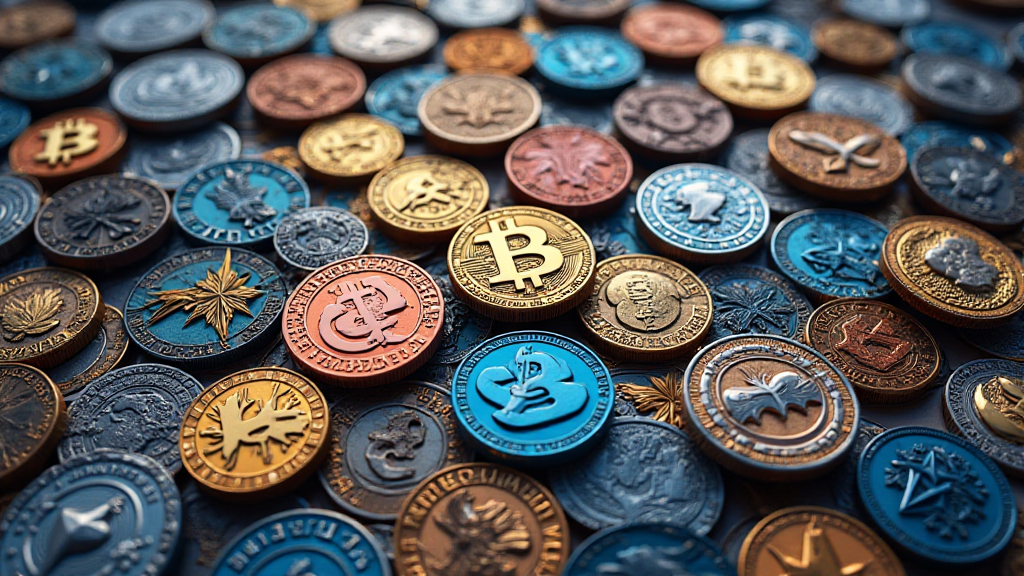
Strategies for Effective Diversification
Having recognized the importance of diversification, let’s delve into practical strategies to achieve it:
1. Asset Allocation Based on Risk Tolerance
Your risk appetite plays a crucial role in how you diversify. A more aggressive investor might allocate a larger portion to volatile altcoins, while another might prefer established cryptocurrencies such as Bitcoin or Ethereum. Consider the following allocation strategy:
- 70% Major Coins: Investments in established coins like Bitcoin and Ethereum.
- 20% Mid-Cap Coins: Focusing on slightly lesser-known yet promising coins.
- 10% High-Risk/High-Reward: Allocating a portion to new projects or emerging coins.
This triangular approach helps balance potential profits while keeping some stability in your portfolio.
2. Geographic Diversification
Consider investing in various cryptocurrencies that originate from different countries and technology ecosystems. For Vietnam, the crypto adoption rate has seen an increase of over 148% in the last year, making platforms like WAVEXCOINS pivotal in capitalizing on emerging markets.
3. Inclusion of Tokens in DeFi and NFTs
The decentralized finance (DeFi) space and Non-Fungible Tokens (NFTs) are gaining traction. Including a portion of your portfolio in these assets can provide a hedge against traditional market fluctuations:
- DeFi Tokens: Explore projects offering yield farming and lending services.
- NFT Market: Consider established NFTs or affordable minting projects.
As DeFi grows, its potential for innovative financial solutions will likely remain a cornerstone of future investments.
Monitoring and Adjusting Your Portfolio
The crypto market is dynamic. Regularly monitoring your investments and adjusting accordingly is crucial to maintaining an optimized portfolio. Here are some steps to consider:
- Periodical Review: Conduct thorough reviews of performance every quarter.
- Market Research: Keep abreast of new projects and trends.
- Automatic Rebalancing: Use tools that can help rebalance your portfolio at set intervals.
Like a vehicle needs regular tune-ups, a crypto portfolio requires maintenance and adjustment based on prevailing market conditions.
Real World Examples & Data
To further illustrate, let’s dive into some current data:
| Cryptocurrency | Market Cap (USD) | Risk Rating |
|---|---|---|
| Bitcoin (BTC) | $900 billion | Low |
| Ethereum (ETH) | $220 billion | Medium |
| Solana (SOL) | $35 billion | High |
According to Chainalysis, 70% of successful crypto investments in 2024 come from understanding market dynamics and maintaining a diversified portfolio.
Challenges in Crypto Portfolio Diversification
While diversification can mitigate risks, it’s not without challenges:
- Market Correlation: Some cryptocurrencies move together due to broader market trends, which can blunt the benefits.
- Limited Information: New Altcoins may lack accurate data for analytical purposes.
- Emotional Decision Making: Fear or greed can lead to poor diversification choices.
These challenges remind us of the necessity for comprehensive research and emotional discipline when dealing with crypto investments.
Conclusion: The Future of Crypto Portfolio Diversification
In conclusion, a well-diversified crypto portfolio is integral to navigating the unpredictable landscape of digital assets. With $4.1 billion lost through vulnerabilities in 2023, the need for diversification cannot be overstated. As we look toward 2025, the best strategy encompasses a blend of established coins, emerging technologies, and innovative DeFi solutions while mindfully watching market shifts.
Remember, this is not financial advice. Always consult with local regulators and make informed decisions tailored to your personal financial goals.
For more information regarding effective crypto strategies, visit WAVEXCOINS.
Author: Dr. Johnathon Reeve – A seasoned strategist with over 20 publications in blockchain security audits and a principal auditor of numerous recognized projects.


