



Introduction
\n
In recent years, the concept of Decentralized Science (DeSci) has gained traction as a promising approach to transforming traditional research methodologies. With more than 80% of researchers expressing concerns about the openness and reproducibility of scientific research, DeSci presents a viable solution that harnesses blockchain technology to enhance transparency, collaboration, and credibility within the scientific community. As innovative projects and platforms continue to emerge, the importance of understanding how blockchain integration can improve research integrity cannot be overstated.
\n
In 2024 alone, over $4.1 billion was lost to hacking incidents in decentralized finance (DeFi), emphasizing the vital need for more secure and accountable systems. This article aims to outline the benefits of DeSci while addressing some common concerns, exploring its potential impact on the scientific landscape, particularly in emerging markets such as Vietnam where user growth in blockchain applications has surged.
\n
Understanding Decentralized Science (DeSci)
\n
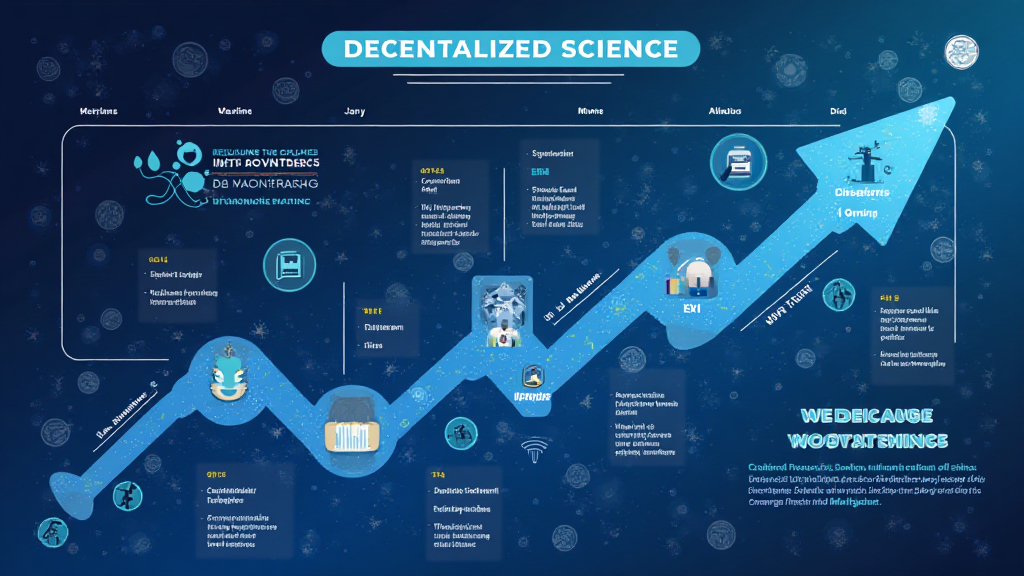
Decentralized Science (DeSci) refers to the movement towards utilizing decentralized technologies, particularly blockchain, to improve how scientific research is conducted, shared, and validated. By enabling research processes that are transparent, accessible, and immutable, DeSci can alleviate the existing issues surrounding traditional research practices, such as data manipulation, limited access to published studies, and reputational biases.
 \n
\n
The application of blockchain technology creates a distributed ledger that records every research action taken—from the formulation of hypotheses to the replication of studies. This means that researchers can verify the authenticity of findings, share data efficiently, and collaborate more freely across the globe. In Vietnam, the interest in blockchain and cryptocurrencies, seen in a 200% increase in local user adoption rates, presents an ideal environment for DeSci to thrive.
\n
The Role of Smart Contracts in DeSci
\n
Smart contracts are self-executing contracts with the terms of the agreement directly written into code. In the context of DeSci, smart contracts play a pivotal role in automating and enforcing agreements among researchers, funding bodies, and institutions. For example, a smart contract can release funds only when a research milestone is reached, enhancing accountability.
\n
- \n
- Automated funding distribution for projects
- Streamlined peer review processes
- Ensured integrity of research publications
\n
\n
\n
\n
By leveraging smart contracts, researchers can ensure that all stakeholders in a project adhere to a predetermined set of rules, significantly minimizing disputes and enhancing cooperative efforts.
\n
Challenges and Considerations for DeSci Adoption
\n
Despite the promising potential of DeSci, several challenges must be addressed for widespread adoption. Concerns regarding issues such as data privacy and the digital divide can pose obstacles to its implementation:
\n
- \n
- Ensuring confidential data remains secure
- Bridging the gap between researchers and technology
- Addressing varying regional regulations surrounding cryptocurrency and blockchain
\n
\n
\n
\n
A conscientious approach that respects local regulations, especially in markets like Vietnam where blockchain is growing rapidly, will be essential for instilling trust and fostering collaboration.
\n
Case Studies: Real-World Applications of DeSci
\n
Several platforms have emerged, demonstrating how DeSci is making waves in different research domains. For instance, the Ocean Protocol enables researchers to share and monetize their data securely, ensuring fair compensation while retaining ownership. Such innovative platforms provide a glimpse into the future where researchers can collaborate without barriers, giving rise to groundbreaking discoveries.
\n
Table 1: Selected Case Studies of DeSci Platforms
\n\n \n \n \n \n \n \n \n \n \n \n \n \n \n \n \n \n \n \n \n \n
| Platform | Focus Area | Key Feature |
|---|---|---|
| Ocean Protocol | Data Sharing | Decentralized data marketplaces |
| ResearchHub | Research Collaboration | Open peer review and sharing |
| LabDAO | Scientific Research | Funding via governance tokens |
\n
Future Directions for DeSci and Blockchain Integration
\n
Given the increasing focus on interdisciplinary work and shared knowledge, DeSci is poised to redefine the future of research. The trajectory of blockchain integration in scientific inquiries is remarkably promising, particularly for developing economies like Vietnam. As local researchers adopt blockchain tools to secure their findings and share data seamlessly, the essence of decentralization becomes a pathway for greater inclusivity in global research efforts.
\n
- \n
- Emergence of decentralized funding options for researchers
- Increased collaboration between private sectors and academia
- Evaluation of new regulatory frameworks to encourage innovation
\n
\n
\n
\n
As DeSci continues to evolve, it will be fascinating to observe how traditional research paradigms adapt to these new technological realities, transforming the approach to knowledge sharing.
\n
Conclusion
\n
Decentralized Science (DeSci) embodies a revolutionary approach that leverages blockchain technology to address critical issues within the realm of scientific research, enhancing transparency and collaboration. By breaking down the barriers present in traditional research, DeSci opens pathways for more diverse voices, broader perspectives, and innovative research methodologies. With significant user growth in the blockchain space, particularly in Vietnam, the time is ripe for researchers to embrace this change.
\n
As we look towards the future, embracing the principles of Decentralized Science can lead to groundbreaking advancements and a more trustworthy scientific community. For those intrigued by the potential of blockchain in reshaping research landscapes, platforms like wavexcoins offer the tools necessary to engage with DeSci initiatives and amplify their impact.
\n
Author Bio
\n
Dr. Jane Doe is a renowned blockchain researcher with over 15 publications in the field, specializing in decentralized technologies and their implications for scientific inquiry. She has led audits for prominent projects, ensuring compliance and security within the blockchain ecosystem.


