



Introduction: The Rise of DePIN Crypto Projects
With over $4.1 billion lost to DeFi hacks in 2024, the need for robust and reliable decentralized infrastructures has never been more crucial. As crypto enthusiasts and developers continue to innovate, a new wave of projects focusing on decentralized physical infrastructures (DePIN) is emerging. These projects are designed to provide not only security but also scalability and sustainability in the growing decentralized ecosystem.
In this article, we will explore what DePIN crypto projects are, their implications for the future, and how they can affect the landscape of blockchain technology. Whether you’re a seasoned investor or a newcomer to the scene, understanding these projects is essential for navigating the evolving crypto market.
What are DePIN Crypto Projects?
DePIN, or Decentralized Physical Infrastructure Networks, refer to blockchain projects aimed at provisioning, managing, or controlling physical assets in a decentralized manner. Essentially, DePIN projects intersect the physical world with the digital realms of cryptocurrencies and blockchain. They create networks that allow for collaborative use of physical infrastructure, eliminating single points of failure and enhancing security.
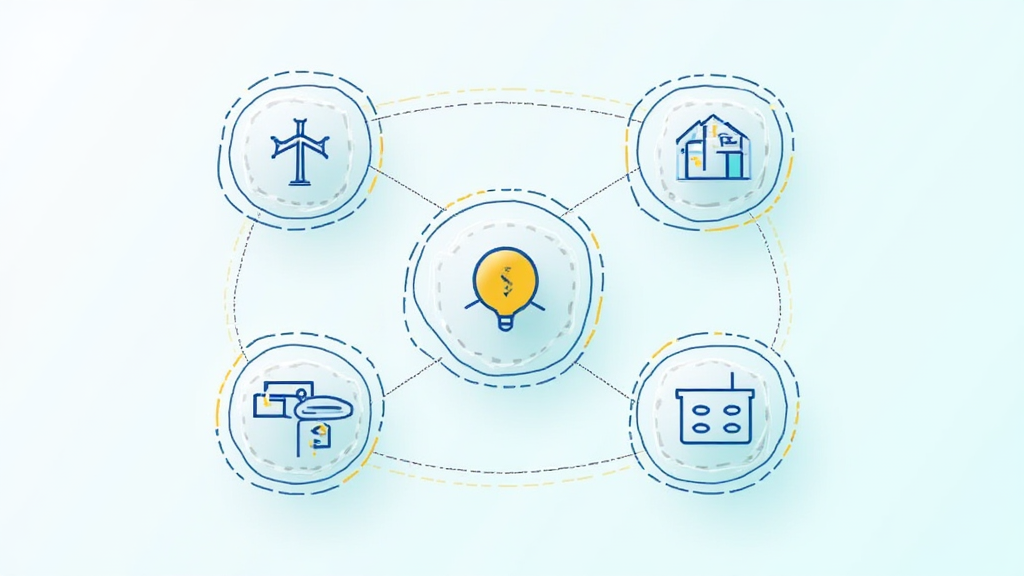
- Examples include: Decentralized energy grids, transportation networks, and housing solutions.
- Applications: DePIN can help in energy conservation, traffic management, and even real estate.
- Impact: These projects can significantly reduce costs and create opportunities in emerging markets like Vietnam, where over 60% of the population is online.
Key Components of DePIN Projects
Understanding the foundational elements of DePIN crypto projects is critical for evaluating their potential and viability. Here are some key components:
- Blockchain Technology: Enables peer-to-peer transactions without intermediaries.
- Smart Contracts: Automate processes and agreements, emphasizing transparency and trust.
- Nodes and Validators: Essential for maintaining the network’s integrity and preventing fraud.
- Tokenization: Transforming physical assets into tradeable digital tokens.
The Role of Smart Contracts in DePIN
So, how do smart contracts fit into the puzzle? Let’s break it down. Smart contracts automatically execute transactions once pre-defined conditions are met. This feature reduces the need for trust between parties and enhances the network’s reliability.
An example includes utilizing smart contracts in decentralized energy management systems, where electricity can be bought and sold in real-time, optimizing supply and demand.
Decentralization vs. Centralization: The Framework of DePIN
One of the core concepts of DePIN is decentralization, which stands in stark contrast to centralized infrastructure. Here’s a closer look:
- Centralized Framework: In a centralized system, a single entity controls the infrastructure which may pose risks and vulnerabilities.
- Decentralized Framework: Multiple entities share control, thus promoting transparency and reducing risks. This is particularly significant for countries like Vietnam, where digital adoption is rising rapidly.
How DePIN Projects Mitigate Risks
By distributing control and ownership among users, DePIN projects significantly lower risks associated with hacks and system failures. For instance:
- The decentralization of electric grids can prevent downtime during major outages.
- Community-managed housing projects can create robust living environments.
- Transport networks on the blockchain can cut down corruption and misuse of resources.
Regional Trends and Market Growth in Vietnam
According to recent studies, Vietnam has seen an impressive 250% growth in its crypto market in the past year. The adoption of DePIN projects could significantly boost this growth. The Vietnamese government is actively encouraging innovation and development in the blockchain sector, making it an ideal environment for DePIN implementations.
The rise of utility token systems in local projects is proving their relevance. For instance, local energy cooperatives are experimenting with blockchain-based solutions to share renewable energy.
Case Studies: Successful DePIN Implementations
Let’s take a look at some notable examples of DePIN projects:
- Energi Network: A decentralized energy platform that connects producers and consumers directly.
- Filecoin: A decentralized storage network that allows users to rent out their excess storage space.
- Helium: A blockchain-based network that allows low-power Internet of Things (IoT) devices to connect without centralized service providers.
Challenges and Future Directions for DePIN Projects
While the potential benefits of DePIN projects are immense, there are challenges to address, including regulatory issues, the need for interoperability between platforms, and concerns about ecological sustainability.
Future directions might focus on:
- Enhancing user experience and accessibility.
- Building partnerships with local governments to facilitate integration.
- Focusing on sustainability and eco-friendly practices in project designs.
The Importance of Security Standards: A Look Ahead
As we head towards 2025, establishing security standards for blockchain infrastructure will be paramount. According to Chainalysis, 2025 will demand stricter protocols to protect against vulnerabilities in decentralized spaces.
Building strong security practices ensures that projects can thrive without falling victim to attacks or failures, which have been rampant in the crypto landscape. The need for proactive measures in ensuring the security of both the digital and physical realms will become increasingly critical as we transition into a more decentralized future.
Conclusion: Embracing the Future with DePIN Crypto Projects
In summary, DePIN crypto projects are transforming how we think about infrastructure. By leveraging blockchain technology, these initiatives promise a more efficient, secure, and transparent future.
For anyone looking to engage with the world of blockchain, understanding DePIN is essential. As the Vietnamese market continues to evolve, the opportunities for innovation in decentralized infrastructures are vast and exciting.
Never forget, however, that while these projects hold immense potential, it is crucial to stay informed and cautious. Remember, this isn’t financial advice. Always consult local regulators and experts when engaging in crypto investments.
Explore more about how DePIN crypto projects can impact your investment strategy at wavexcoins.
Author: Dr. Minh Tran
Blockchain security expert, published over 30 research papers, and led numerous audits for top projects.


