


Introduction
As we step into 2024, the stablecoin market in SEA is witnessing unprecedented growth. With an estimated market capitalization of over $19 billion, Southeast Asia has emerged as a significant player in the global cryptocurrency market. The increasing adoption of blockchain technologies and digital assets indicates that this region is gearing up for something big. But what exactly drives this growth, and how secure is it? Let’s delve deeper.
What are Stablecoins?
Stablecoins are digital currencies designed to maintain a stable value against a reserve of assets, like fiat currencies or commodities. Unlike volatile cryptocurrencies, stablecoins aim to provide the stability of traditional money while leveraging the benefits of blockchain technology.
In Southeast Asia, stablecoins are gaining traction among users due to their security features and the attractive prospect of lower transaction fees. They act as a bridge between the traditional financial systems and the world of cryptocurrencies, making transactions seamless.
Market Overview
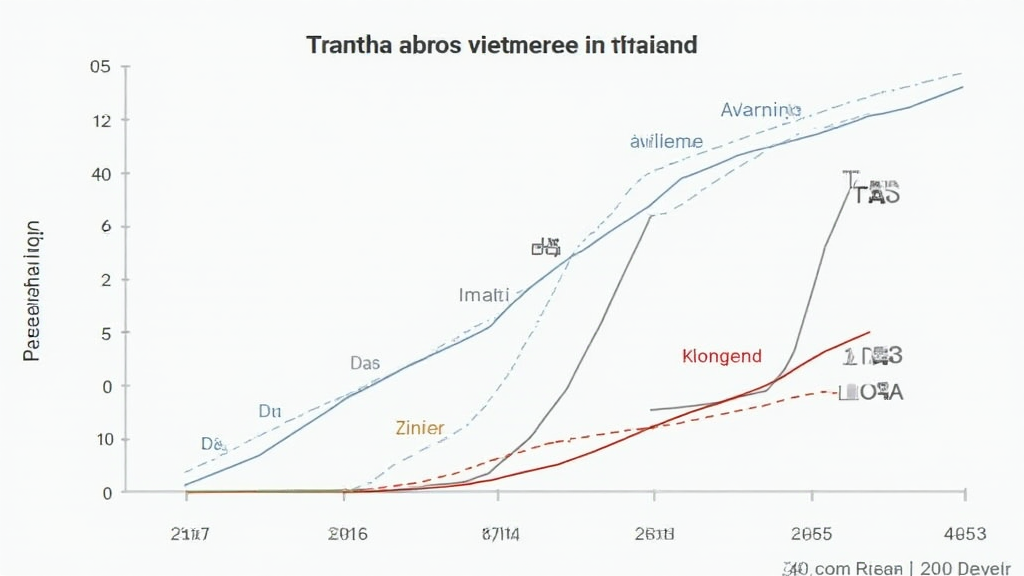
The stablecoin market is evolving rapidly in Southeast Asia. According to recent reports, the demand for stablecoins has surged by 150% in 2023, driven predominantly by increased adoption in countries like Vietnam and Thailand. The user growth rate in Vietnam is particularly impressive, with a reported increase of over 200% in the number of crypto users since 2022. This rise can be attributed to:
- Increased Digital Transactions: More consumers are opting for digital wallets, which support stablecoin transactions.
- Regulatory Support: Governments are increasingly showing interest in regulating the cryptocurrency sector, providing a more secure environment for users.
- Remittance Solutions: Stablecoins are becoming a popular choice for cross-border remittances due to lower fees and faster transaction times.
Challenges in the Stablecoin Market
Despite the impressive growth, the stablecoin market in SEA faces several challenges that could hinder its potential. Some key issues include:
- Regulatory Uncertainty: While many governments are becoming more open to cryptocurrencies, there are still significant regulatory hurdles that need to be addressed. For example, Vietnam’s current legal framework regarding cryptocurrency remains vague.
- Security Concerns: The stablecoin market is not immune to hacks and frauds. In 2023 alone, over $500 million was lost due to breaches in DeFi protocols linked to stablecoins.
- Market Manipulation: The pegging mechanism of stablecoins can sometimes lead to concerns about market manipulation, particularly during periods of high volatility.
The Future of Stablecoins in Southeast Asia
Looking ahead, the future of the stablecoin market in SEA appears bright. Several potential developments could shape the trajectory of this market:
- Emergence of CBDCs: Central Bank Digital Currencies (CBDCs) are on the horizon in many Southeast Asian nations, potentially complementing stablecoins and enhancing their appeal.
- Increased DeFi Participation: The decentralized finance (DeFi) sector is rapidly expanding, and stablecoins are likely to play a vital role in lending, borrowing, and yield farming activities.
- Adoption of Blockchain Technology: As more businesses and industries adopt blockchain to enhance their operations, the utilization of stablecoins for transactions is expected to rise significantly.
Local Insights: Vietnam’s Role
Vietnam stands out as a burgeoning hub for cryptocurrency, particularly stablecoins. According to a recent report, the Vietnamese stablecoin market is projected to grow by over 300% by 2025, making it a prime area for investment and innovation. Additionally, a survey indicated that 60% of Vietnamese crypto users believe that stablecoins offer better security and transaction efficiency.
Here are a few factors contributing to this favorable environment:
- Technological Literacy: With a high internet penetration rate of around 73%, more people are becoming accustomed to using digital assets.
- Remittance Market: Vietnam is one of the largest remittance-receiving countries; hence, stablecoins can provide cost-effective solutions for sending money home.
Conclusion
In conclusion, the stablecoin market in SEA is on the verge of significant transformation, driven by technological advancements and an increasing number of young, tech-savvy users. Understanding the vital trends and challenges in this market will be crucial for investors and stakeholders alike. As Vietnam continues to lead growth in this sector, more local players will emerge, creating a vibrant ecosystem where stablecoins can thrive.
For more insights into the cryptocurrency landscape, consider checking out hibt.com which provides excellent resources and data analysis.
As we embrace this future, remember that investing in cryptocurrencies comes with risks. This article is for informational purposes only and does not constitute financial advice. Always consult local regulators before making any investment decisions.
Author: Dr. Minh Lai has published over 15 papers on blockchain technology and has supervised numerous high-profile audits in the field. He is recognized for his contributions to advancing financial technology in Southeast Asia.


