


Introduction
As of 2023, the blockchain ecosystem has witnessed exponential growth, with a staggering $4.1 billion lost to hacks and exploits in decentralized finance (DeFi) alone. This alarming trend amplifies the critical need for advanced solutions to ensure the security and efficiency of blockchain technologies. Among various innovations, Rollups have emerged as a game changer, addressing scalability issues while maintaining decentralization. In this article, we unravel what Rollups are, how they function, and their implications for the future of blockchain.
What are Rollups?
Rollups are a layer 2 scaling solution designed to enhance the throughput of blockchains without compromising their security or decentralization. By executing transactions off-chain and subsequently bundling them into a single on-chain transaction, Rollups can significantly reduce data congestion on the main blockchain. In essence, they function like a bank vault that organizes a multitude of transactions into a single secure deposit. This process allows blockchains to handle thousands of transactions per second (TPS) effectively.
Types of Rollups
- ZK-Rollups: These utilize zero-knowledge proofs to validate transactions, allowing for reduced data sizes and increased privacy. ZK-Rollups ensure that even though transactions occur off-chain, the validity of those transactions is confidently confirmed on-chain.
- Optimistic Rollups: In contrast, Optimistic Rollups assume transactions are valid by default and only verify them in case of disputes. This mechanism allows for low latency but may introduce a delay in finality if challenges arise.
Why Are Rollups Important?
Rollups represent a pivotal advancement for blockchain technology, especially given the current statistics in the Vietnamese market. According to recent reports, Vietnam’s blockchain user growth rate reached approximately 50% in 2023, indicating an insatiable demand for efficient transaction processing. Rollups provide:
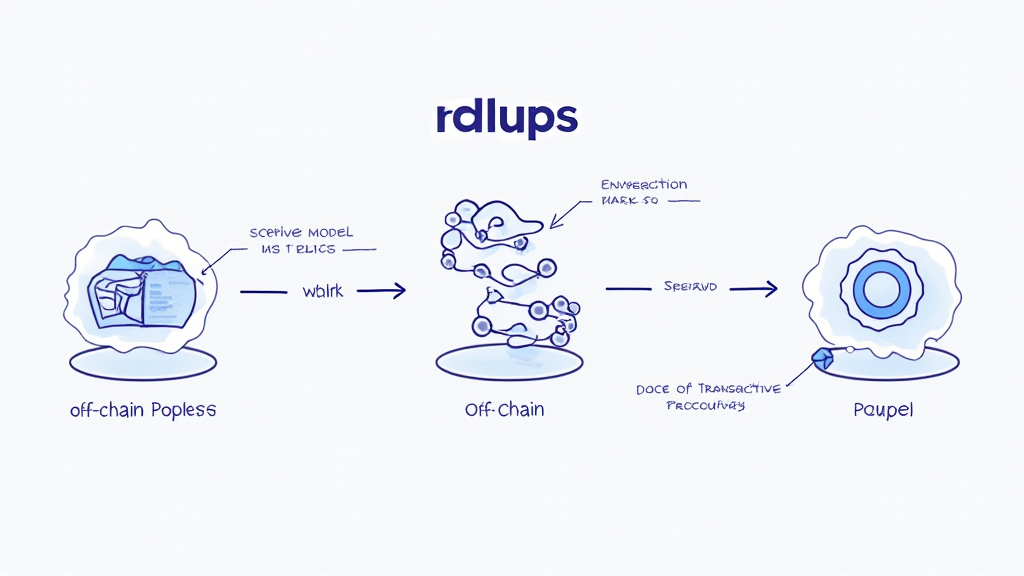
- Enhanced Transaction Speed: By shifting transaction processing off-chain, Rollups lead to quicker confirmations, thereby benefiting user experience and merchant adoption.
- Reduced Gas Fees: As Rollups consolidate multiple transactions into a single batch, they drastically lower the transaction costs for users, which is crucial in markets sensitive to fees.
- Scalability: With Rollups, blockchains can scale to handle mass adoption, crucial in nations like Vietnam where cryptocurrency adoption is on the rise.
Real-World Applications of Rollups
To understand the practical implications of Rollups more vividly, let’s take a look at several applications that are leveraging Rollup technology:
- Gaming: Blockchain games require quick interactions to provide real-time user experiences. Rollups allow seamless transactions between players without lag.
- DeFi Platforms: By integrating Rollups, DeFi protocols can offer faster and cheaper transactions, thereby attracting more users.
- NFT Marketplaces: Rollups can improve the processing times for NFT transactions, making it feasible for users dealing with high-frequency trading.
Comparative Analysis: Rollups vs. Other Solutions
While Rollups contribute significantly to scaling solutions, it’s important to compare them with other technologies:
| Solution | Transaction Speed | Cost Efficiency | Decentralization |
|---|---|---|---|
| Rollups | High | Low | Retained |
| Sharding | Medium | Medium | Varies |
| Sidechains | High | Mixed | Depends |
The Future of Rollups in the Blockchain Space
As we look towards 2025, the adoption of Rollups is expected to accelerate, particularly in emerging markets like Vietnam. With governments slowly recognizing cryptocurrencies, integrating Rollup technology could lead to seamless digital economies. Major projects are already experimenting with Rollup integrations, indicating broad interest in these solutions.
Challenges Ahead
Despite their promise, Rollups come with challenges. Issues like ensuring interoperability with other chains and bridging the security of off-chain transactions with on-chain security need addressing. The growth of regulatory frameworks around blockchain technologies also plays a crucial role in shaping the future affordances and limitations of Rollups.
Conclusion
To summarize, Rollups represent a revolutionary step in enhancing blockchain scalability and efficiency. As illustrated through various use cases, they are paving the way for faster, cheaper transactions across multiple sectors, particularly in regions such as Vietnam where digital transformation is burgeoning. Moving forward, the integration of Rollups could very well streamline the landscape of cryptocurrencies and blockchain alike.
To learn more about blockchain scaling solutions and their impact on the market, visit wavexcoins.


