


Introduction
With over 4 million active cryptocurrency users in Vietnam as of 2023, the landscape for decentralized finance (DeFi) in Vietnam is rapidly evolving. As blockchain technology continues to disrupt traditional finance, many Vietnamese individuals and businesses are turning to these innovations. This article delves into the significance of decentralized finance in Vietnam, the challenges faced, and the opportunities it presents for investors and enthusiasts alike.
The Rise of DeFi in Vietnam
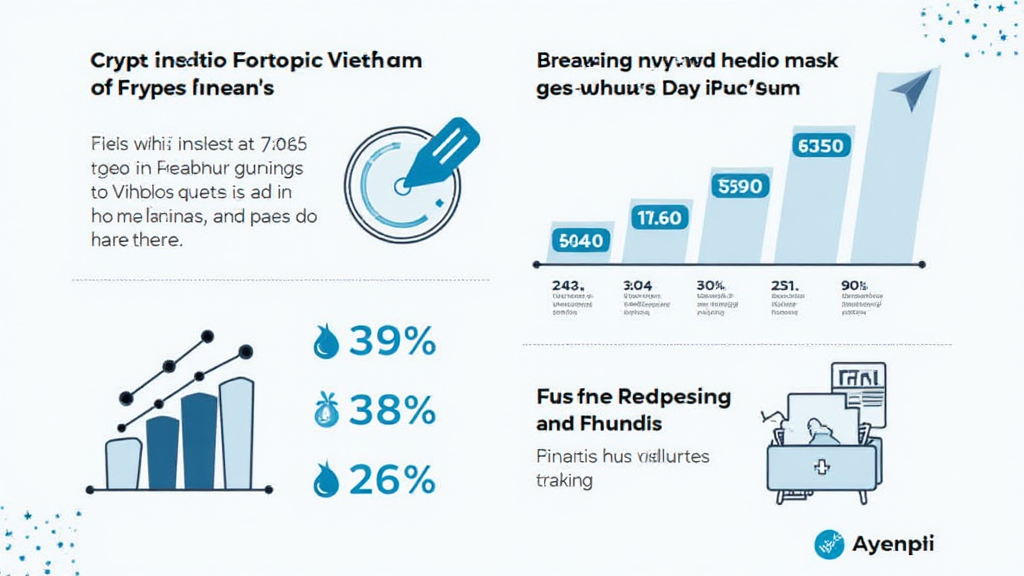
The DeFi movement is gaining momentum in Vietnam, especially among the youth. According to recent data, Vietnam’s cryptocurrency market grew by 25% in 2023, indicating a strong appetite for digital financial solutions. This growth is fueled by several factors:
- Technological Advancements: Increasing smartphone penetration and access to the internet have empowered more users to explore blockchain technology.
- Financial Inclusion: DeFi provides underserved segments with access to banking services through decentralized platforms.
- Investor Curiosity: Crypto-assets and DeFi tokens are seen as new investment avenues, especially among the younger generation.
In Vietnamese, this concept translates to tài chính phi tập trung, emphasizing the move away from traditional financial institutions toward community-driven solutions.
Understanding DeFi Platforms: Key Components
DeFi platforms operate on smart contracts and offer a range of services, including lending, borrowing, and trading without the need for intermediaries. Here are some key components:
- Smart Contracts: Self-executing contracts with the terms directly written into code.
- Decentralized Exchanges (DEXs): Platforms that allow peer-to-peer trading of cryptocurrencies.
- Liquidity Pools: Collections of funds locked in smart contracts that facilitate trading.
For example, think of smart contracts as a vending machine – insert cryptocurrency, and the contract executes the terms automatically.
The Risks and Challenges of DeFi
While DeFi presents numerous opportunities, it also comes with significant risks. In 2023, hacking incidents in DeFi resulted in losses exceeding $1 billion. Key challenges include:
- Security Vulnerabilities: Many DeFi platforms are susceptible to coding errors or hacks, resulting in substantial losses.
- Regulatory Uncertainty: Vietnam’s regulatory framework for cryptocurrencies is still developing, posing risks for investors.
- Total Value Locked (TVL) Volatility: The fluctuations in TVL can impact liquidity and confidence in DeFi projects.
The barriers are indeed substantial, but as the Vietnamese market becomes more educated on the technology, there’s hope for a more secure interface in the future.
Opportunities in the Vietnamese DeFi Landscape
Despite the challenges, the Vietnamese DeFi landscape is ripe with opportunities:
- Increased Investor Education: Initiatives that focus on educating the masses about blockchain technology and its benefits.
- Partnerships with Local Institutions: Collaborations between DeFi projects and banks can help bridge gaps and increase adoption.
- Innovation and Development: Vietnamese startups are actively working on building unique DeFi solutions tailored to local needs.
In Vietnamese, the term for these opportunities can be expressed as cơ hội đầu tư, clearly indicating the potential for future expansion.
Case Studies: Successful DeFi Projects in Vietnam
Several DeFi projects are gaining traction in Vietnam, setting examples for others:
- VDSC Finance: A decentralized lending platform that has seen significant user growth.
- Kyber Network: Facilitating token swaps directly in users’ wallets, enhancing accessibility.
- Bitmoon: A project focused on connecting local remittances with DeFi platforms.
These projects showcase the innovation and adaptability of the Vietnamese crypto community, paving the way for further developments.
The Future of DeFi in Vietnam
Looking forward, the future of DeFi in Vietnam appears promising. Analysts predict that by 2025, decentralized finance could capture a large part of the region’s finance market, with local user growth projected to increase by 40%.
Additionally, the government is exploring frameworks to regulate digital assets more effectively, which could enhance credibility and security in the local market.
Conclusion
As the decentralized finance movement continues to grow in Vietnam, it presents new possibilities for financial freedom and innovation. By understanding the risks, seizing opportunities, and supporting local projects, Vietnamese investors can navigate this exciting space. As we explore DeFi in Vietnam, it is essential to stay informed and engage with the community.
Visit wavexcoins for more insights on cryptocurrency and decentralized finance in Vietnam.
Expert Author: Dr. Nguyễn Văn A – PhD in Blockchain Technology, published over 20 papers in the field, led audits for well-known projects including Vinex.


