


Understanding Delegated Proof of Stake (DPoS)
As the blockchain industry evolves, innovative consensus mechanisms play a crucial role. One such mechanism is the Delegated Proof of Stake (DPoS). In 2022 alone, billions were invested in various blockchain projects using DPoS, reflecting its growing popularity. But why does DPoS matter? In this article, we’ll explore its intricacies and why it may be the future of decentralized governance.
What is Delegated Proof of Stake?
Delegated Proof of Stake (DPoS) is a consensus mechanism that enhances traditional Proof of Stake (PoS) systems. Unlike PoS, where anyone can participate in the staking process, DPoS allows users to vote for a small group of delegates who then validate transactions and create new blocks on the blockchain. This system was designed to increase efficiency and scalability, making it a popular choice among various cryptocurrencies.
Moreover, as blockchain systems grow, performance issues can arise. DPoS aims to solve these by enabling faster transactions and reduced latency. Let’s break it down:
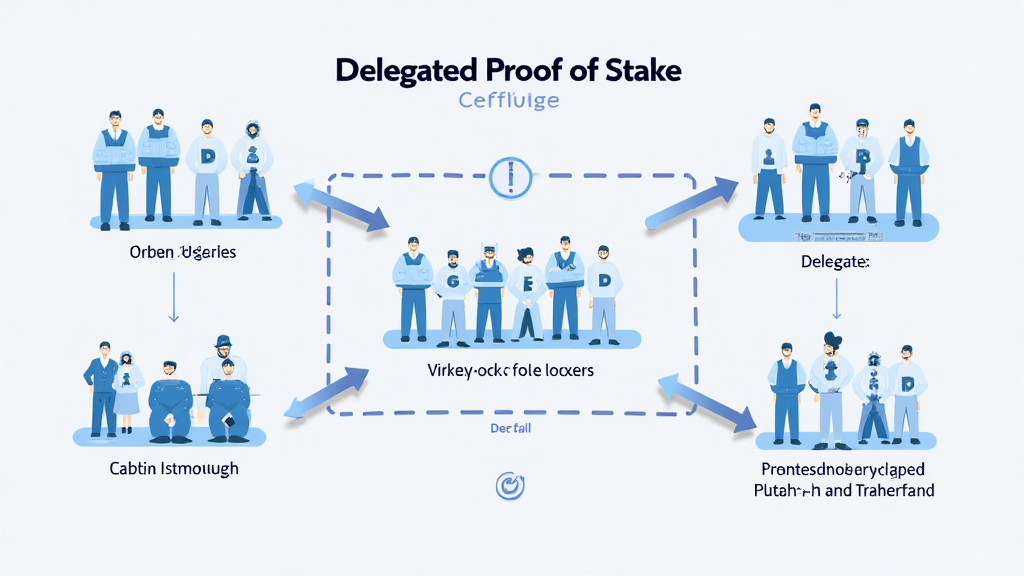
- Users stake their tokens and vote for delegates.
- Delegates validate transactions and add new blocks.
- Votes can be delegated or changed at any time.
The Benefits of DPoS
DPoS offers numerous advantages that set it apart from other consensus mechanisms:
- Scalability: DPoS can handle thousands of transactions per second, making it suitable for large-scale applications.
- Short Block Times: Blocks can be produced in seconds, ensuring that the network remains fast and responsive.
- Lower Costs: Reduced energy consumption compared to Proof of Work (PoW) and even standard PoS systems.
How Does DPoS Work?
In a DPoS system, stakeholders participate in governance by voting for representatives known as delegates. The security and performance of the entire network depend significantly on how well these delegates perform their responsibilities. Let’s examine the steps involved:
- Stake Tokens: Users stake their tokens and cast votes for delegates.
- Elect Delegates: The top delegates receive the majority of votes and are responsible for block production.
- Block Validation: Delegates validate incoming transactions and add them to the blockchain.
- Reward Distribution: Delegates distribute rewards to voters based on their contributions.
Use Cases of DPoS
DPoS has been adopted by several well-known cryptocurrencies, showcasing its versatility:
- EOS: Known for its scalability, EOS relies heavily on a DPoS mechanism that enables high-speed transactions and user engagement.
- Steem: A social media platform that rewards content creators, Steem uses DPoS to ensure fair and decentralized governance.
- Tron: With a focus on digital content and entertainment, Tron’s DPoS uniquely caters to developers and users alike.
DPoS vs. Other Consensus Mechanisms
When comparing DPoS to other consensus mechanisms like PoW and traditional PoS, distinct differences emerge. Here’s a quick overview:
| Feature | DPoS | Proof of Work (PoW) | Proof of Stake (PoS) |
|---|---|---|---|
| Speed | High | Low | Medium |
| Energy Consumption | Low | High | Variable |
| Decentralization | Moderate | High | Medium |
| Security | High | High | Variable |
As seen in the table above, DPoS strikes a favorable balance between speed and security while minimizing energy consumption. This makes it an attractive option for developers and users alike.
The Role of Governance in DPoS
Governance is a pivotal aspect of DPoS networks. It ensures that users are engaged and have a say in the future direction of the protocol. Users can vote for delegates, but they can also propose changes to the network. The system fosters an environment of participation and transparency.
- Voting Rights: Every staked token equals a vote, empowering users to influence decisions.
- Delegate Accountability: Users can replace underperforming delegates to maintain quality.
- Network Proposals: Stakeholders can submit proposals for upgrades, ensuring community-driven progress.
Real-World Adoption and Vietnam Market Overview
In recent years, Vietnam has seen a surge in interest in cryptocurrencies, including those utilizing DPoS. According to relevant reports, Vietnam’s cryptocurrency user growth rate stood at approximately 40% in 2023, underscoring the potential for innovative solutions in the local market.
Several projects in Vietnam leverage DPoS for governance, allowing citizens to participate actively in digital economies. Furthermore, engaging in DPoS-based platforms can help drive financial inclusion, especially in regions lagging behind traditional banking systems.
Challenges and Criticisms of DPoS
Despite its advantages, DPoS is not without its challenges and criticisms. Here are some key concerns:
- Centralization Risks: With a limited number of delegates, there is a risk of centralization, potentially undermining the decentralized nature of blockchain.
- Delegate Cartels: High-performing delegates may form alliances, effectively controlling governance and reducing competition.
- Voting Power Disparities: Wealth can disproportionately affect voting power, leading to an imbalance in governance.
Future of Delegated Proof of Stake
The future of DPoS remains bright with ongoing innovations targeting its drawbacks. Developments in governance structures and mechanisms to prevent centralization will enhance its credibility and adoption rates. Projects may focus on improving transparency, promoting diversity among delegates, and designing incentives for user participation.
As blockchain technology progresses, we may see hybrid models that integrate DPoS with other consensus mechanisms to achieve greater decentralization while maintaining efficiency.
Conclusion
In summary, Delegated Proof of Stake (DPoS) has emerged as a viable alternative in the realm of consensus mechanisms, proving its worth through notable implementations in successful cryptocurrencies. While challenges persist, the benefits of efficiency, scalability, and community engagement make DPoS an intriguing choice for future blockchain projects.
As you contemplate the evolving landscape of digital assets, consider the impact of DPoS on governance and the potential for transforming decentralized ecosystems. For further insights into blockchain and cryptocurrency trends, stay updated with wavexcoins.
About the Author
Dr. Alex Turner has authored over 20 papers on decentralized technologies and has led the auditing of multiple high-profile blockchain projects. His expertise includes security analysis and consensus mechanism design.


