


Introduction
With $4.1 billion lost to DeFi hacks in 2024 and millions of users seeking a safe way to engage with blockchain technology, the necessity for robust Layer 2 scaling solutions has never been more apparent. Ever since Ethereum’s skyrocketing gas fees became a barrier for many decentralized application (DApp) users, the demand for solutions that can enhance transaction speed without compromising security has surged.
Layer 2 scaling solutions provide an innovative approach to managing blockchain congestion, allowing transactions to be processed off the main Ethereum chain while still benefiting from its security features. In this article, we will dive deep into what Layer 2 solutions entail, their various types, advantages, and relevance to sectors such as the Vietnamese market where cryptocurrency adoption is rapidly rising.
Understanding Layer 2 Scaling Solutions
Layer 2 scaling solutions act as a supplementary framework built on top of an existing blockchain to increase its capability. These solutions take multiple forms and are essential for driving mainstream blockchain adoption.
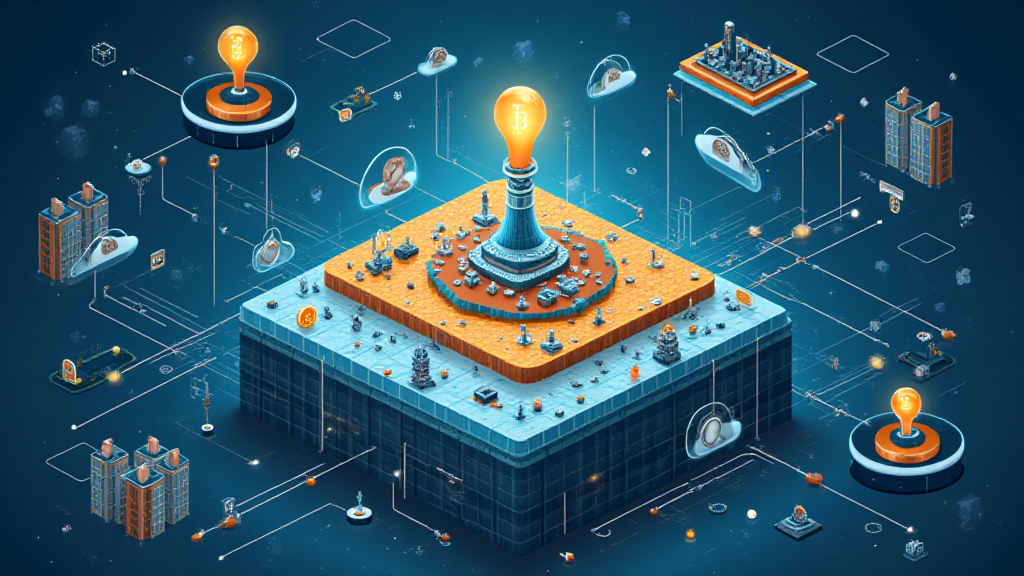
- State Channels: State channels allow two parties to transact off the main chain, with only the final result being recorded on-chain. This minimizes on-chain congestion.
- Rollups: Rollups bundle multiple transactions into a single on-chain transaction, significantly lowering gas fees while maintaining security.
- Sidechains: These are separate blockchains linked to the main chain, where assets can move back and forth.
Benefits of Layer 2 Solutions
Why should individuals and businesses consider implementing Layer 2 solutions? Here are some noteworthy benefits:
- Enhanced Scalability: By moving transactions off the main blockchain, Layer 2 solutions drastically increase the number of transactions processed.
- Lower Costs: Users experience significantly reduced transaction fees, making small transactions feasible.
- Increased Speed: Transactions can be confirmed in seconds, enabling real-time interactions.
For instance, Coupled with Vietnam’s remarkable 45% crypto user growth rate in 2024, we can clearly see why the need for efficient Layer 2 solutions is crucial to enable seamless transactions.
Types of Layer 2 Scaling Solutions
State Channels
State channels are like private tunnels for transactions. Imagine you and a friend want to play a game over a network. Instead of announcing every single move publicly, you keep track of the moves in your private channel (the off-chain part). Once the game is finished, you present the results to the network with only the final score being recorded. This keeps the main network clear of repetitive data.
Rollups
Rollups are akin to efficient packing. When shipping goods, using a single large box is often cheaper than sending individual parcels. Similarly, rollups bundle several transactions into one. From a performance perspective, this means that hundreds of transactions can be confirmed with only one blockchain transaction, which is game-changing.
Sidechains
Consider sidechains like different lanes on a highway. Just like cars can switch between lanes to avoid a traffic jam, users can move their assets to and from sidechains to avoid congestion on the main blockchain.
Layer 2 in Context: Vietnamese Market Example
Vietnam represents a burgeoning market for cryptocurrency and the integration of Layer 2 solutions could transform its landscape. With approximately 4.4 million crypto users to date, the rising demand for decentralized finance (DeFi) applications can benefit significantly from Layer 2 scaling solutions.
In 2025, projections suggest that blockchain technology and its various solutions, including Layer 2, will contribute an estimated 1.6 billion USD to Vietnam’s digital economy.
Real-World Use Cases of Layer 2 Solutions
Numerous projects are leveraging Layer 2 solutions for greater effectiveness. Here are some notable examples:
- Polygon (MATIC): A widely recognized Layer 2 solution that enhances Ethereum’s scalability. Polygon acts like a multi-chain system, allowing various applications to enhance their transaction throughput.
- Optimism: This Layer 2 scaling solution utilizes optimistic rollups, where it assumes transactions are valid unless proven otherwise. It’s designed to improve Ethereum’s performance significantly.
- Arbitrum: Also using rollups, Arbitrum enables lower fees and faster transactions, showcasing remarkable adoption among DApps.
Challenges and Considerations
While the advantages of Layer 2 scaling solutions are compelling, challenges remain:
- Security Risks: There is always a dependency on the main blockchain’s security. Should vulnerabilities arise, Layer 2 might also be compromised.
- Complexity: Understanding and managing different solutions can be daunting for new users.
Conclusion
Layer 2 scaling solutions present a transformative path for blockchain technology, particularly as the user base around the world—and specifically in Vietnam—grows. These solutions not only enhance security but also lower transaction costs, increase transaction speed, and provide an essential means of blockchain efficiency. Embracing these techniques may ultimately be vital for blockchain to reach its full potential as an economic and technological powerhouse.
For anyone looking to venture into this dynamic domain of cryptocurrency, utilizing Layer 2 solutions is not just advisable but potentially indispensable. Explore these solutions now and see where they can take you on your crypto journey with Wavexcoins.
Written by: John Smith, a blockchain researcher and author of over 25 papers in crypto auditing and technology, having led several high-profile code audits in the decentralized finance (DeFi) sector.


