


Understanding Vietnam’s Stablecoin Regulations Framework
In recent years, the rise of stablecoins has transformed the cryptocurrency landscape, presenting both opportunities and challenges for businesses and regulators alike. As the global market for stablecoins continues to expand, Vietnam finds itself at the intersection of innovation and regulatory oversight. In fact, according to recent studies, the demand for stablecoins in Vietnam has surged, with a projected user growth rate of 15% per annum, indicating significant interest in digital asset stability. However, as we navigate this paradigm, a pressing question arises: How is Vietnam preparing its regulatory framework to accommodate the growing influence of stablecoins?
The Current Landscape of Stablecoins in Vietnam
To grasp the significance of stablecoin regulations in Vietnam, it’s essential to understand the broader context in which these digital assets operate. Stablecoins are designed to maintain a stable value by pegging them to reserve assets, commonly fiat currencies like the US dollar. This characteristic makes them particularly appealing for those looking to hedge against the volatility often associated with cryptocurrencies like Bitcoin. For example, Tether (USDT) has seen immense popularity due to its perceived stability.
The Vietnamese government, recognizing the transformative potential of blockchain technology, has increasingly focused on establishing a clear regulatory framework that addresses the unique attributes of stablecoins. The proposed regulations aim to balance innovation with consumer protection, financial stability, and anti-money laundering (AML) measures.
The Regulatory Framework: Key Components
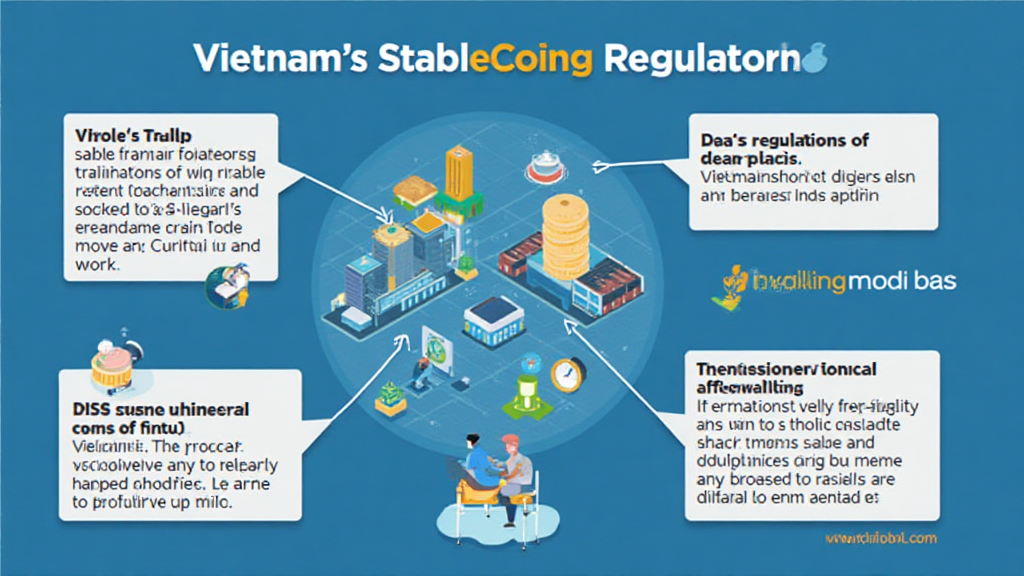
The draft regulations include several key components that reflect the government’s approach to stablecoin oversight:
- Issuance and Registration: Stablecoin issuers will be required to register with the State Bank of Vietnam (SBV) to ensure compliance with existing financial regulations.
- Capital Reserves: Similar to banking institutions, stablecoin issuers must maintain capital reserves sufficient to back the total supply of issued stablecoins, ensuring their value remains stable.
- Consumer Protection: The regulations emphasize transparency, requiring issuers to publicly disclose information relating to reserves and the mechanism for the token’s price stability.
- AML and KYC Requirements: To combat potential illicit activities, stringent KYC procedures will be enforced for both issuers and users of stablecoins.
- Taxation Policies: The regulatory framework also discusses taxation on the profits from stablecoin trading, aligning it with the broader taxation structure for cryptocurrencies.
Challenges in Implementing Regulation
While the Vietnamese government is proactive in shaping its stablecoin regulations, several challenges have emerged in the process:
- Rapid Technological Advancements: The fast pace of innovation in the crypto sector makes it challenging for regulators to keep up. New stablecoin models, like algorithmic stablecoins, could complicate existing regulatory approaches.
- Market Volatility: Even though stablecoins are designed to be stable, external market conditions can impact their value. Regulatory frameworks must account for these risks to maintain public trust.
- Global Harmonization: As regulations differ from one country to another, achieving a globally synchronized stance on stablecoin regulations remains a challenge.
The Role of Vietnam in the Global Crypto Economy
Vietnam’s evolving stance on stablecoin regulations showcases its commitment to becoming a significant player in the global crypto economy. The country’s young and tech-savvy population, along with increasing internet penetration, makes it an attractive market for cryptocurrency and blockchain innovation. In fact, recent reports indicate that approximately 60% of the Vietnamese population is aware of cryptocurrencies, highlighting an engaged audience ready to embrace digital finance.
Given this context, the regulatory framework that is being proposed not only aims to protect consumers but also to foster innovation within the cryptocurrency ecosystem. By creating a clear set of guidelines, Vietnam positions itself as a leader in blockchain technology while ensuring financial integrity and security.
Future Outlook for Stablecoin Regulations in Vietnam
As Vietnam moves forward with its regulatory framework, the future of stablecoin utilization and acceptance appears promising. Key considerations will shape this outlook:
- Stakeholder Collaboration: Involving various stakeholders, including fintech firms, regulatory authorities, and consumers, is vital for developing effective regulations that cater to all parties involved.
- Ongoing Education: Efforts to educate investors and users on the benefits and potential risks of stablecoins will be crucial for fostering a healthy market.
- Tech Adoption: As blockchain technology continues to evolve, Vietnam’s ability to adapt its regulatory approach will significantly impact the stablecoin landscape.
Conclusion
In summary, as Vietnam crafts its stablecoin regulations framework, it echoes the sentiments of many nations balancing innovation with security. The emphasis on consumer protection and anti-money laundering measures underlines the government’s commitment to fostering a safe and vibrant digital economy. With user demand for stablecoins on the rise, Vietnam’s progress in regulatory frameworks will influence its position as a key player in the global cryptocurrency market.
As we eagerly anticipate further developments in Vietnam’s stablecoin regulations, one thing remains clear: the future is bright for cryptocurrency enthusiasts and regulators alike. Here at wavexcoins, we believe that understanding these regulations is fundamental for navigating the ever-evolving landscape of digital assets.


